
Table of Contents
- The Importance of Foot Health
- Common Foot Problems and Their Impact
- Nutrition’s Role in Foot Health
- Exercise and Foot Strength
- The Significance of Proper Footwear
- Daily Foot Care Practices
- When to Seek Professional Help
- Conclusion
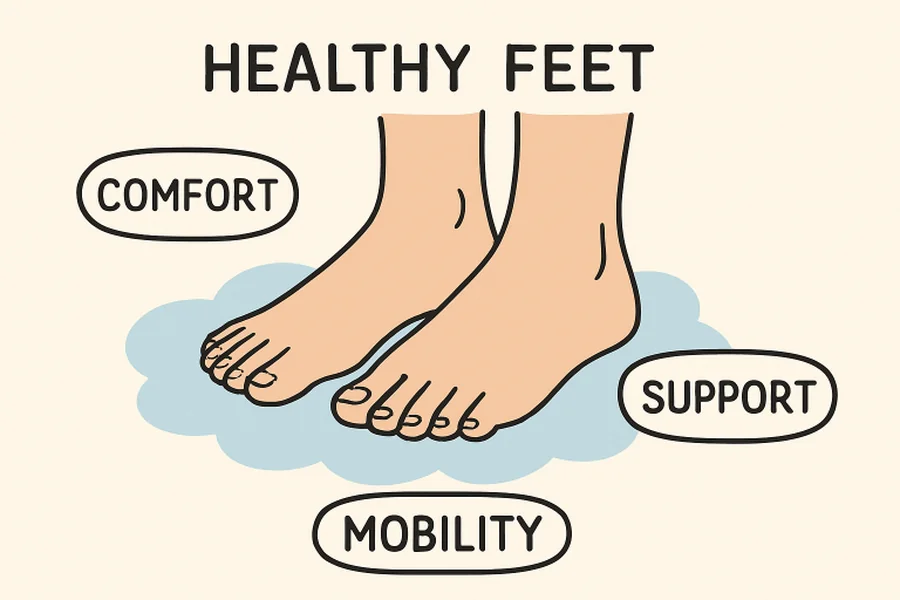
Foot health is often overlooked, yet it plays a foundational role in our daily lives. Every step we take is supported by our feet, making them central to our mobility, balance, and comfort. Ignoring foot problems may not only cause pain but limit our ability to remain independent and active. That’s why consulting a specialist, such as a certified pedorthist Ottawa clinic, can be highly beneficial in both preventing and addressing foot-related issues for lasting well-being.
Healthy feet do more than carry us—they influence posture, prevent accidents, and enhance activities. Maintaining foot health, from young athletes to older adults, improves quality of life. A proactive approach ensures feet support our journeys, hobbies, and tasks. This article explains why foot health matters, common problems, nutrition and exercise effects, the importance of proper footwear, and when to seek professional help. With proper habits, anyone can boost their well-being and performance. Daily prevention is vital for everyone, especially those with chronic conditions like diabetes, which require special care, as advised by Mayo Clinic.
The Importance of Foot Health
Our feet absorb the impact of each step, maintain our balance, and propel us through daily life. When feet are healthy, we can participate in activities without hesitation. If neglected, minor concerns can develop into chronic pain or long-term mobility limitations. As Harvard Health notes, “Your feet are the foundation of an active lifestyle.” Foot health has a ripple effect—poor foot care can compromise knee, hip, and back health, making simple activities difficult or uncomfortable.
Common Foot Problems and Their Impact
Frequent foot issues include plantar fasciitis, bunions, and complications from diabetes, like neuropathy or slow-healing wounds. Plantar fasciitis, for example, can make those first morning steps excruciating, discouraging activity. Bunions and calluses may alter your gait or posture, leading to knee or back pain. In people with diabetes, loss of sensation increases the risk of severe infections from unnoticed injuries, underscoring the importance of vigilance and prompt care.
Nutrition’s Role in Foot Health
The strength of bones, muscles, and skin depends heavily on a balanced diet. Calcium and vitamin D are essential for maintaining bone density, while magnesium and potassium play crucial roles in proper muscle function and nerve signaling. Foods such as dairy, sardines, leafy greens, and nuts are rich in these nutrients and support overall foot resilience. Dehydration and nutritional deficiencies may weaken skin integrity or slow the healing process. A balanced diet is a fundamental part of maintaining strong, pain-free feet throughout life.
Exercise and Foot Strength
Like any other body part, the muscles and joints of the feet benefit from regular movement. Stretching exercises, such as toe raises, ankle rolls, and towel scrunches, improve flexibility and strength. These simple routines can be performed at home, at your desk, or wherever you spend time sitting. According to the National Institute on Aging, daily foot exercises also boost circulation, which aids in maintaining tissue health and helps prevent injuries.
The Significance of Proper Footwear
The right footwear provides support, reduces pressure on vulnerable areas, and helps prevent injuries such as blisters or sprains. Poorly fitting shoes can lead to corns, deformities, and joint pain. Over time, feet can change in size or shape due to aging, weight fluctuations, or pregnancy, so it is wise to have your feet measured periodically. Supportive and well-engineered shoes are especially important for those with occupations that require prolonged walking or standing, as well as for athletes and older adults.
Daily Foot Care Practices
Consistent foot hygiene is a simple yet effective way to reduce the risk of infection and identify issues early. Wash feet with warm water and gentle soap daily, and dry thoroughly—especially between the toes, where moisture can linger. Regularly examine feet for blisters, changes in skin color, swelling, or sores. For people with diabetes, this daily check can be life-saving. Keeping toenails trimmed straight across and filing sharp edges helps prevent ingrown toenails and related discomfort.
When to Seek Professional Help
If foot pain lingers or if you notice persistent swelling, significant color changes, or signs of infection, consult a healthcare provider or podiatrist promptly. Early intervention is key to preventing long-term disability or severe complications. Healthcare professionals can not only treat acute issues but also guide you on prevention, orthotic support, and exercise modifications tailored to your needs. As the Cleveland Clinic highlights, “We can definitely see evidence of different disease processes in the feet, whether it’s on the skin or in the toenails, or just in general.”
Conclusion
Foot health is a core component of our overall well-being. By nourishing our feet with proper nutrition, strengthening them with regular exercise, choosing well-fitting shoes, and practicing daily care, we lay the groundwork for a life filled with activity, comfort, and independence. Paying prompt attention to new symptoms and consulting health experts when needed ensures our feet remain strong allies in all our pursuits.