
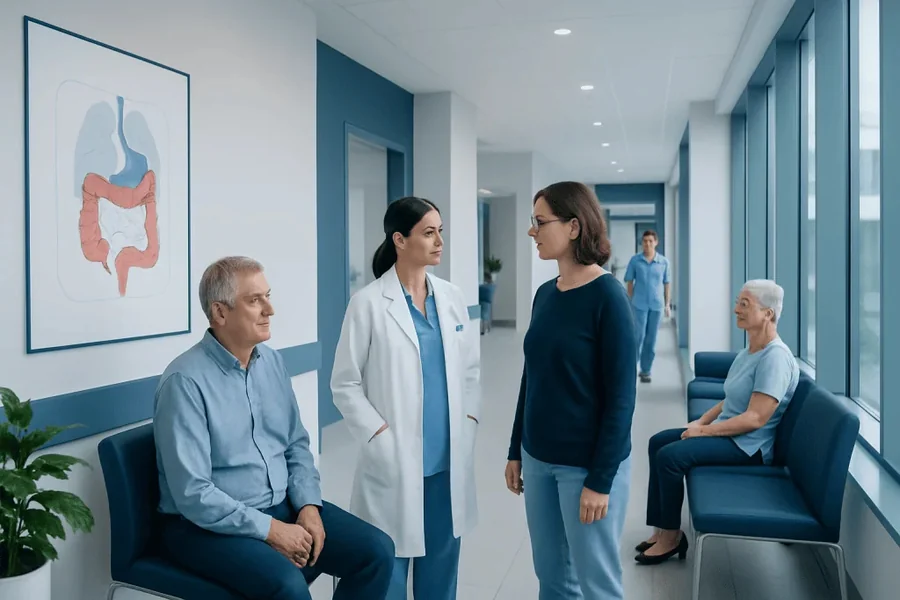
Many people pay close attention to their heart health, bones, or vision, yet digestive health is often overlooked until symptoms become difficult to ignore. Conditions affecting the colon, rectum, and digestive tract can develop gradually, and while some are minor, others require prompt medical attention to prevent complications.
Choosing an experienced colorectal specialist is about more than finding someone who performs surgery. It involves selecting a doctor who can accurately diagnose digestive conditions, explain treatment options clearly, and recommend care that is appropriate for each individual’s needs. A combination of clinical expertise, modern techniques, and patient-focused care helps create a more reassuring healthcare experience.
For patients seeking specialist colorectal care in Singapore, Dr Leong Quor Meng is an experienced colorectal and general surgeon with expertise in minimally invasive surgery, endoscopy, colorectal cancer management, and the treatment of a wide range of digestive conditions. He has over two decades of surgical experience and continues to focus on delivering personalised patient care.
Understanding the Role of a Colorectal Surgeon
A colorectal surgeon specialises in diseases affecting the colon, rectum, anus, and lower digestive tract.
Their responsibilities extend beyond performing surgical procedures and often include:
- Diagnosing digestive disorders.
- Performing colorectal cancer screening.
- Conducting colonoscopy and gastroscopy.
- Managing benign colorectal conditions.
- Treating colorectal cancer.
- Providing long-term follow-up care.
- Recommending preventive healthcare strategies.
Many patients receive medical management or minimally invasive procedures without requiring major surgery.
Recognising When Specialist Care May Be Needed
Digestive symptoms can have many possible causes, making professional assessment important when symptoms persist.
Some warning signs include:
- Rectal bleeding.
- Persistent abdominal pain.
- Ongoing constipation or diarrhoea.
- Changes in bowel habits.
- Blood in the stool.
- Unexplained weight loss.
- A family history of colorectal cancer.
Seeking medical advice early allows appropriate investigations to be carried out before conditions progress further.
The Importance of Accurate Diagnosis
Many colorectal conditions produce similar symptoms, making diagnosis based on symptoms alone difficult.
Specialists may recommend investigations such as:
- Colonoscopy.
- Gastroscopy.
- Physical examination.
- Blood tests.
- Imaging studies.
These investigations help determine the underlying cause before any treatment decisions are made.
Accurate diagnosis also helps avoid unnecessary procedures while ensuring patients receive appropriate care.
Conditions Commonly Treated
Colorectal surgeons manage a broad spectrum of conditions affecting the digestive system.
These commonly include:
- Colorectal polyps.
- Colorectal cancer.
- Haemorrhoids.
- Anal fissures.
- Anal fistulas.
- Diverticular disease.
- Hernias.
- Gallstones.
- Pilonidal disease.
Treatment plans vary depending on the severity of the condition, the patient’s overall health, and individual clinical findings.
The Evolution of Modern Colorectal Surgery
Advances in surgical technology have significantly changed colorectal care over the past two decades.
Where clinically appropriate, minimally invasive techniques may offer several advantages compared with traditional open surgery.
Potential benefits include:
- Smaller surgical incisions.
- Reduced postoperative discomfort.
- Faster recovery.
- Shorter hospital stays.
- Less visible scarring.
- Earlier return to normal activities.
Dr Leong has advanced training in laparoscopic, robotic, and single-incision colorectal surgery, having completed specialised training through Singapore’s MOH HMDP scholarship programme in Korea.
Why Communication Matters
Patients often feel anxious when discussing bowel symptoms or preparing for procedures such as colonoscopy.
A specialist who communicates clearly helps patients understand:
- Their diagnosis.
- Available investigations.
- Treatment options.
- Expected recovery.
- Long-term follow-up recommendations.
This allows patients to participate actively in decisions regarding their healthcare.
A Focus on Prevention
Modern colorectal practice increasingly emphasises prevention alongside treatment.
Preventive care may include:
- Routine colorectal screening.
- Early removal of polyps.
- Lifestyle guidance.
- Follow-up surveillance.
- Family risk assessment.
Identifying abnormalities before symptoms become severe often leads to better long-term outcomes.
Experience Beyond the Operating Theatre
An experienced colorectal specialist contributes in many areas beyond direct patient care.
These may include:
- Training future surgeons.
- Teaching advanced laparoscopic techniques.
- Performing diagnostic and therapeutic endoscopy.
- Participating in clinical research.
- Introducing modern surgical techniques.
Dr Leong is accredited to train advanced surgical trainees in endoscopy and minimally invasive surgery and has authored numerous peer-reviewed publications in colorectal and general surgery.
Supporting Patients Throughout Their Healthcare Journey
Comprehensive colorectal care extends beyond diagnosis and treatment.
Patients often benefit from continued support through:
- Initial consultation.
- Diagnostic investigations.
- Individualised treatment planning.
- Surgical care where required.
- Recovery monitoring.
- Long-term follow-up.
This coordinated approach helps ensure continuity of care while supporting both physical recovery and long-term digestive health.
Conclusion
Digestive symptoms should never be ignored simply because they appear mild or develop gradually. Early assessment, accurate diagnosis, and personalised treatment remain the foundation of effective colorectal care. Choosing an experienced specialist allows patients to receive evidence-based recommendations tailored to their individual needs.
For individuals seeking comprehensive colorectal and general surgical care in Singapore, Dr Leong Quor Meng combines extensive surgical experience, advanced minimally invasive expertise, and a patient-centred approach that supports every stage of diagnosis, treatment, and long-term digestive health.