
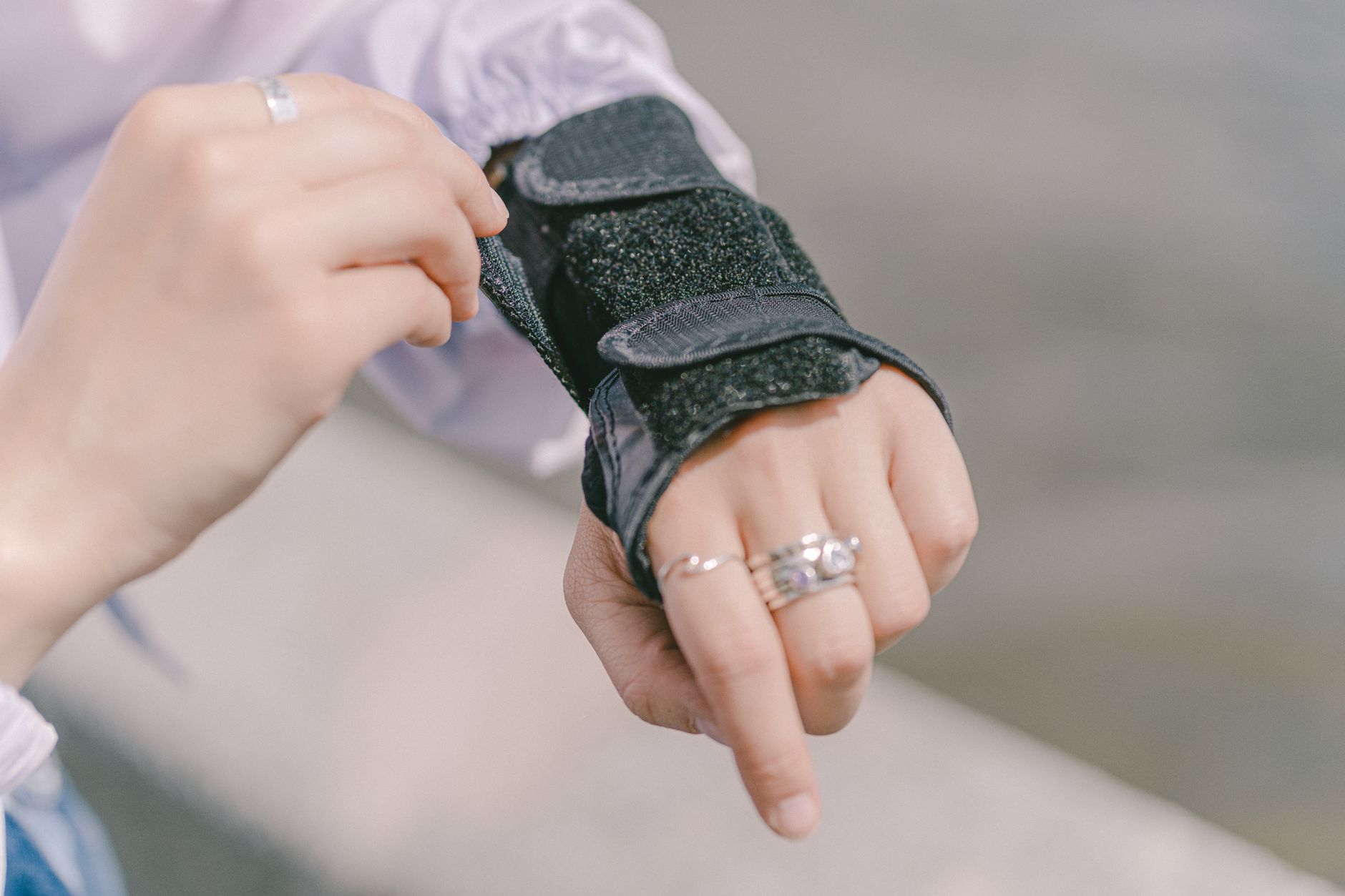
The time you decide to wear a wrist brace is equally significant as the support and quality. The short wearing time cannot provide enough support for the wrist while longer time of use can weaken the muscles.
So, the main question that is left unanswered still remains, when to wear the wrist brace for better support?
In this guide we’ll walk through the situations where a wrist brace helps the most. Knowing when to put on the wrist support and when to avoid it can silently fasten the recovery.
Understanding how to routinely wear the brace can help rebuild the strength without full dependency.
Let’s explore!
Situations To Wear The Wrist Brace
1. During Repetitive Work
- Office Work
Wear a lightweight brace while typing or texting for long periods. It keeps the wrist in an aligned ergonomic line.
2. Overnight Use
- Morning Relief
This is the most crucial situation for carpal tunnel syndrome sufferers, as it causes numbness and tingling in the hands.
- Nighttime Tucking
Many people naturally curl their wrists inward during heavy sleep. Wearing a rigid splint while sleeping can block this movement.
3. During Exercise
- Racket Sports
Use a flexible wrap during tennis or gymnastics to give the joint an extra stability against sudden twists.
- Gym Workouts
Wear supportive wraps or sleeves during heavy pressing exercises to prevent the wrist from bending too far under the heavy load.
4. During Daily Chores If Injured or Arthritic
- Joint Protection
This prevents any sharp pain and flare-ups if you are currently dealing with a wrist sprain, tendonitis or arthritis.
- Home Chores
Wear a brace while performing household chores that require gripping or twisting, such as cooking or carrying groceries.
5. When Recovering from a Medical Treatment
- After Surgery
After a broken bone cast is removed or after any surgical procedures, the surrounding muscles are weak and vulnerable. A brace provides transitional structural support.
- Post-Cast Removal
After the removal of plaster cast due to a broken bone, the wrist can become incredibly weak. Wear a brace to support the joint during everyday movements.
When To Not Wear A Brace?
1. Sudden Injury (Fracture Risk)
If you’ve just sustained a heavy fall or hit to your wrists, a wrist brace will have limited relief to give. A visibly deformed wrist, swelling or the inability to support weight may be signs of a fracture. If you place a snug brace on a still to be diagnosed ligament injury it could further dislocate the bone and increase the injury.
2. Skin is Damaged or Infected
If you have an open wound, skin rash or burns or there is some infection on your wrist or hand. Fabric splints usually retain sweat, heat and friction. If you wear a splint over this damaged skin, it may cause bacteria to thrive, resulting in escalation of skin infection.
3. Circulation Loss
Pain and numbness increase in your fingers or clumsiness. If this happens, within a few minutes of putting on the brace, the brace is causing blood flow to be denied to your hand. It may be crushing a nerve.
4. Continuous Prolonged Wear
People who wore the brace constantly for several weeks without doctors direct orders. Your muscles and tendons need the load of motion to stay strong. Staying immobilized with no load causes your muscles to weaken and your joints to become greatly stiff, making your wrist woefully dependent on the brace.
5. The Pain is in the Fingers or Arm
Your main pain is in the knuckles or coming out from your elbow or shoulder. A wrist brace only keeps the wrist joint in place. If the root cause of your pain is your finger joint condition or you have a pinched nerve in your neck or elbow then a wrist brace isn’t going to help the cause.
How Long Should You Wear A Wrist Brace For?
| CONDITION | TIMELINE | WEAR SCHEDULE |
| Carpal Tunnel Syndrome | 4 to 8 weeks |
|
| Mild Sprain or Tendonitis | 2 to 4 weeks |
|
| Moderate to Severe Sprain | 4 to 6 weeks |
|
| Arthritis or Chronic Pain | Long term |
|
Tips For Using The Brace Correctly
1. Proper Positioning & Fit
-
Check the Rigid Bar
Make sure if your brace has a hard metal or plastic piece in it (stay) that it is pressed up against the palm side of your hand.
-
Middle-Strap Rule
Always secure the middle strap before anything else! Wrap the brace around your wrist joint and secure the middle strap first before moving on to the other straps.
-
The Finger Test
The brace should fit snugly but not so tightly as to be a tourniquet. You should be able to slide one finger under the straps.
2. Monitoring Your Circulation
-
Watch for Warning Signs
If your fingers become numb or cold, take off the brace or loosen the straps immediately. These signs are related to reduction of blood flow or pinching of a nerve.
-
Keep Knuckles Free
This kind of wrist splint/brace would be no- bend, but should not restrict your knuckles. You should have full use of your fingers and feel no restriction with regard to flexing or extending.
3. Wearing Habits & Breaks
-
Avoid all day wear
Don’t keep your brace on 24 hours a day unless a doctor instructs you to do so following surgery or for a broken bone. Being in the brace all the time will weaken and tighten the muscles of the wrist.
-
Take Scheduled Breaks
Take out the brace for 15 to 30 minutes every few hours. This allows your skin to breathe, shine a light on red friction marks and do gentle pain free wrist circles.
-
Wear it Right at Night
If you wear a brace for your carpal tunnel, don’t forget to wear it at night. It will prevent you from curling your hands into a ball while sleeping and waking up with pain.
4. Cleaning & Hygiene
-
Remove Metal Stays
Remove the metal bar before you wash it. It will cause it to rust and stain the fabric if you leave it in.
-
Hand Wash and Air Dry
Clean the fabric by hand with warm water and soap solution. Do not put it into the dryer. The high heat can melt the neoprene material as well as ruin elastic stretch.
Wrapping Up
The ideal time to wear a wrist brace is when your wrist craves for external support. Whether you require some high strength support for intense high impact activities or just require it for your sleep, a wrist brace can act as a saviour.
If you have nerve damage symptoms or are recovering from any injury, adding an external support becomes a necessity. Not only support, wear time allows full recovery of the wrists. When used thoughtfully, it can not only protect your joints, but will also help you move through your daily routine with confidence.