
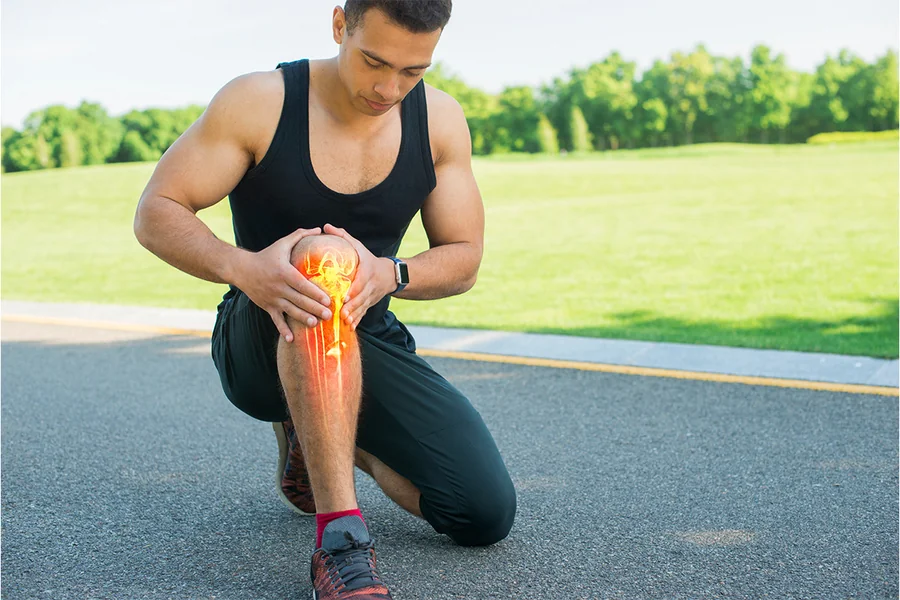
Knee pain can affect almost every aspect of daily life, from walking and climbing stairs to exercising, working and enjoying recreational activities. It can develop suddenly after an injury or gradually through repetitive strain, muscle weakness or age-related changes. While some cases involve temporary discomfort, persistent pain may indicate an underlying problem that needs professional attention.
The knee is one of the body’s major weight-bearing joints. It connects the thigh bone to the shin bone and relies on cartilage, ligaments, tendons and surrounding muscles to support movement and stability. When any of these structures become irritated or injured, everyday activities can become uncomfortable.
Understanding the possible causes of knee pain and the available rehabilitation options can help individuals make informed decisions about their recovery.
Common Causes of Knee Pain
Knee pain does not have one universal cause. The location, intensity and timing of discomfort can provide useful information, although a proper assessment is needed to identify the underlying issue.
- Sports and Exercise Injuries
Activities involving running, jumping, sudden stops and rapid changes in direction place considerable demands on the knee. Sports such as football, basketball, tennis and running can sometimes lead to ligament injuries, muscle strains or cartilage damage.
An anterior cruciate ligament (ACL) injury, for example, may occur when someone lands awkwardly or changes direction suddenly. A meniscus tear can also develop following a twisting movement or as a result of gradual wear.
- Overuse and Repetitive Strain
Increasing exercise intensity too quickly or repeating the same movement without sufficient recovery can place excessive stress on the knee.
Runners may experience iliotibial band syndrome, which commonly causes discomfort around the outer knee. Patellofemoral pain syndrome, often called runner’s knee, can cause pain around or behind the kneecap, particularly when climbing stairs, squatting or running.
- Muscle Weakness and Movement Imbalances
The muscles around the hips, thighs and knees help control movement and support the joint. If these muscles lack strength or coordination, the knee may experience additional stress during activities.
This does not mean that every knee problem is caused by poor movement patterns. However, assessing strength, flexibility and movement can help identify factors that may be contributing to discomfort.
- Age-Related Joint Changes
Osteoarthritis is a common condition that affects the cartilage and other structures within a joint. In the knee, it may cause pain, stiffness and reduced mobility, particularly during weight-bearing activities.
Age is one risk factor, but previous injuries, body weight and other individual factors can also influence joint health.
Signs That Your Knee May Need Attention
Knee symptoms can vary depending on the condition. Some people experience discomfort only during exercise, while others notice pain during ordinary activities.
Common symptoms include:
- Swelling around the knee joint.
- Stiffness after sitting or resting.
- Pain when bending, straightening or putting weight on the leg.
- Clicking, popping or grinding sensations.
- Weakness or difficulty supporting body weight.
- A feeling that the knee may give way.
- Reduced ability to walk, squat or climb stairs.
Not every clicking sound indicates an injury. However, symptoms accompanied by pain, swelling or reduced movement should be assessed.
Seek prompt medical attention if the knee becomes hot and swollen, particularly with fever, or if severe trauma makes it difficult to move or bear weight. Rapidly worsening pain also warrants medical assessment.
How Physiotherapy Can Help Manage Knee Pain
Physiotherapy focuses on improving movement, strength and physical function. Rather than addressing discomfort alone, a physiotherapist assesses the factors contributing to the problem and develops a rehabilitation plan based on the individual’s condition and goals.
A structured physiotherapy for knee pain programme may be useful for people recovering from sports injuries, managing persistent discomfort or rebuilding strength after surgery.
The process generally begins with an assessment of medical history, symptoms, joint movement, muscle strength and functional ability. The physiotherapist may observe activities such as walking, squatting or stepping to understand how the knee responds to movement.
Following the assessment, a personalised plan can be developed. Treatment may include several approaches depending on the diagnosis and recovery stage.
Common Physiotherapy Treatments for Knee Pain
- Strengthening and Rehabilitation Exercises
Exercise therapy is an important part of knee rehabilitation. Strengthening the quadriceps, hamstrings, gluteal muscles and other supporting muscles can improve joint control and functional capacity.
Exercises may begin with simple movements and progress as strength and tolerance improve. Examples include controlled sit-to-stands, step-ups, leg strengthening exercises and balance activities.
The specific exercises should be selected according to the individual’s condition. Performing movements that are too demanding too early may aggravate symptoms.
- Manual Therapy
Manual therapy involves hands-on techniques that may include soft tissue massage and joint mobilisation. These approaches can be used alongside exercise to address movement restrictions, muscle tension or discomfort.
The techniques selected depend on the assessment findings and should support the overall rehabilitation plan rather than replace active exercise.
- Dry Needling
Dry needling involves inserting fine needles into selected muscle trigger points. It may be considered in certain cases to address muscle-related discomfort or tension.
It is not suitable for every individual or every type of knee condition. A trained professional should explain the potential benefits, limitations and risks before treatment.
- Shockwave Therapy
Shockwave therapy uses acoustic energy delivered to targeted tissues. It may be considered for certain tendon-related conditions, depending on the clinical assessment.
It is not a general solution for all forms of knee pain. The decision to use it should be based on the diagnosis and the individual’s response to other treatment approaches.
What to Expect During a Physiotherapy Programme
Recovery is usually a gradual process. The number of sessions and overall duration depend on the type of injury, its severity, the person’s general health and their response to rehabilitation.
A typical programme may involve several stages:
Initial assessment: The physiotherapist discusses symptoms, medical history and activity goals before examining knee movement and strength.
Pain and movement management: Early treatment may focus on improving comfortable movement, managing symptoms and identifying activities that need temporary adjustment.
Progressive strengthening: Exercises become more challenging as the knee develops greater strength, stability and tolerance.
Functional rehabilitation: The programme may introduce movements that reflect everyday activities, work demands or recreational interests.
Return to sport or exercise: Active individuals may gradually work towards running, jumping or changing direction again, depending on their recovery and functional progress.
For those seeking physiotherapy for knee pain in Singapore, UFIT offers individual assessments and rehabilitation plans that may include manual therapy, dry needling, exercise-based rehabilitation and other treatment options where appropriate. Its physiotherapy approach also considers the person’s goals, whether that means returning to daily activities, exercise or competitive sport.
Supporting Knee Recovery Between Sessions
What happens outside the clinic can be an important part of rehabilitation. Following the recommended home exercise programme helps maintain progress between appointments.
A few general habits may support recovery:
- Follow the exercise plan provided by your physiotherapist.
- Avoid suddenly increasing training intensity or duration.
- Choose suitable low-impact activities when recommended.
- Allow sufficient recovery time between demanding sessions.
- Wear appropriate footwear for your activities.
- Maintain a healthy level of physical activity within your current ability.
It is important not to push through significant or worsening pain. If an exercise causes increased swelling or persistent discomfort, discuss it with your physiotherapist so the programme can be adjusted.
Preventing Future Knee Problems
Although not every knee injury can be prevented, maintaining strength, mobility and good exercise habits can help support long-term joint function.
Warm up before demanding physical activity and increase training loads gradually. Include strengthening exercises for the hips and legs as part of a balanced fitness routine. If returning to sport after an injury, follow a structured progression rather than relying only on whether the knee feels comfortable during everyday walking.
Regular attention to technique, recovery and overall conditioning can also help reduce unnecessary strain.
Conclusion
Knee pain can have several causes, and effective management begins with understanding what is contributing to the discomfort. A combination of professional assessment, appropriate exercise, movement guidance and progressive rehabilitation can help improve strength and everyday function. Whether the concern involves a sports injury, overuse or ongoing joint discomfort, physiotherapy for knee pain can provide a structured approach to recovery and help individuals work towards returning to the activities that matter to them.


