
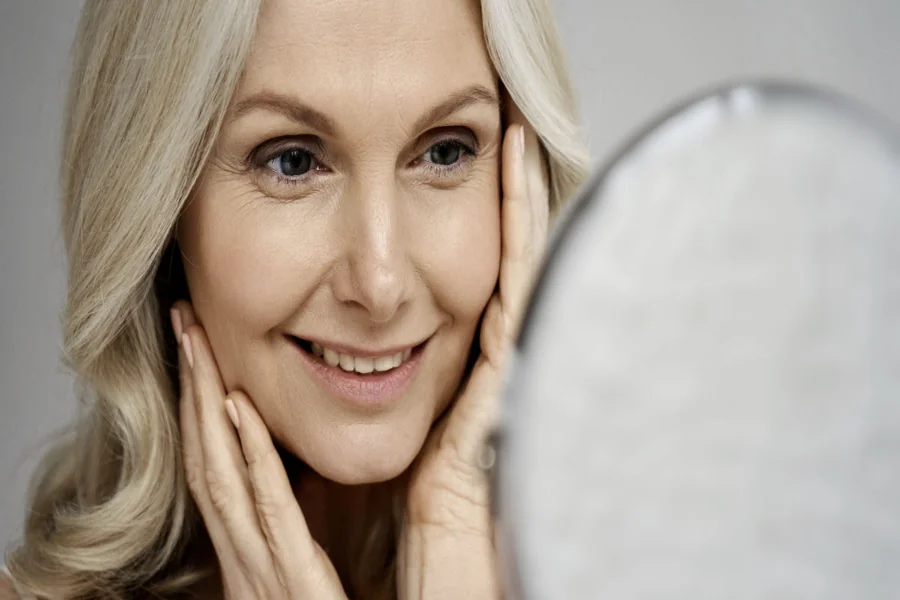
Healthy skin is often associated with confidence, but maintaining smooth and even toned skin can become more challenging over time. Factors such as sun exposure, ageing, acne scarring, environmental pollutants, and lifestyle habits can gradually affect skin texture and appearance. While skincare products remain an important part of daily routines, many people look for professional treatments when they want to address deeper skin concerns.
Advances in aesthetic technology have expanded the range of non surgical treatments available today. Individuals seeking solutions for uneven texture, fine lines, pigmentation, enlarged pores, or acne scars now have access to treatments that focus on supporting natural skin renewal rather than simply covering visible concerns. Laser based procedures have become increasingly popular because they can target specific skin issues while encouraging collagen production and skin regeneration.
As interest continues to grow in laser skin resurfacing treatment in Singapore, many people are exploring how these procedures work, what concerns they may address, and what factors should be considered before deciding on treatment. Clinics offering laser resurfacing often use different technologies depending on individual skin conditions, treatment goals, and recovery expectations.
Understanding How Skin Changes Over Time
Skin naturally changes as people age.
Collagen production gradually slows down, which may contribute to fine lines, reduced elasticity, and changes in skin texture. Environmental factors such as ultraviolet exposure can further accelerate visible signs of ageing, including pigmentation irregularities and uneven skin tone. Acne scarring and previous skin inflammation may also leave long term textural changes that become more noticeable over time.
Because many of these concerns develop beneath the surface of the skin, topical products may have limitations when addressing more established changes.
Why Laser Technology Has Become More Common
Laser treatments use concentrated light energy to target specific layers of the skin.
Different laser technologies are designed to address different concerns. Some focus on surface level skin renewal, while others deliver energy into deeper layers of the skin to stimulate collagen production without significantly affecting the outer surface. The goal is often to encourage the body’s natural healing response while supporting smoother and healthier looking skin over time.
As technology has improved, laser treatments have become increasingly customisable, allowing practitioners to adjust treatment approaches based on individual skin needs.
Common Skin Concerns That People Often Address
Acne Scars and Uneven Texture
Acne can leave long lasting marks that affect skin texture even after breakouts have resolved.
Laser resurfacing procedures are frequently discussed as part of treatment plans for improving the appearance of acne scars and uneven skin surfaces. Certain fractional laser technologies are commonly used to support collagen renewal and texture improvement.
Fine Lines and Wrinkles
As collagen levels decrease, fine lines may gradually become more visible.
Many skin rejuvenation treatments focus on supporting collagen stimulation because collagen plays an important role in maintaining skin firmness and elasticity. Laser resurfacing may be considered as one option for addressing visible signs of ageing.
Pigmentation and Sun Damage
Uneven skin tone, sunspots, and pigmentation changes are among the most common cosmetic concerns.
Different laser systems may be selected depending on the depth and type of pigmentation being treated. Some technologies focus on surface pigmentation while others target deeper skin layers.
Enlarged Pores
Skin texture concerns often include enlarged pores that may become more noticeable over time.
Laser treatments are sometimes incorporated into broader skin rejuvenation programmes designed to improve overall skin quality and surface refinement.
Different Types of Laser Resurfacing Approaches
Ablative Laser Treatments
Ablative lasers work by removing portions of the outer skin layers while stimulating deeper tissue renewal.
These treatments are generally used for more significant skin concerns such as deeper wrinkles, pronounced scarring, or substantial texture changes. Because they affect the skin surface more extensively, recovery periods may be longer compared to some other laser options.
Non Ablative Laser Treatments
Non ablative lasers focus on stimulating collagen beneath the skin without removing the outer layer.
These approaches are often associated with shorter recovery periods while still supporting gradual skin improvement. Multiple sessions may sometimes be recommended depending on treatment goals and individual skin conditions.
Fractional Laser Technology
Fractional lasers treat targeted sections of the skin while leaving surrounding areas intact.
This approach is designed to encourage skin renewal while supporting healing through untreated areas of skin. Fractional laser systems are widely used in modern resurfacing treatments because they can address multiple skin concerns while balancing effectiveness and recovery considerations.
Why Professional Assessment Matters
Not every treatment is suitable for every individual.
Factors such as skin type, pigmentation levels, medical history, sensitivity, existing skin conditions, and treatment expectations all influence which approach may be most appropriate. Professional consultation helps determine whether laser resurfacing is suitable and what type of technology may best match specific concerns. TruGlow Medical Aesthetics notes that treatment recommendations are based on individual assessments and skin conditions.
A personalised approach often helps support both safety and treatment effectiveness.
The Importance of Aftercare
Post treatment care plays an important role in the overall skin recovery process.
Patients are commonly advised to follow specific aftercare instructions, which may include gentle skincare routines, avoiding excessive heat exposure, and maintaining consistent sun protection. Proper aftercare helps support healing while reducing the risk of unwanted irritation or pigmentation changes.
Sun protection is often considered particularly important following laser based treatments because newly treated skin may be more sensitive to ultraviolet exposure.
Conclusion
Interest in non surgical aesthetic treatments continues to increase as more people seek options that support skin renewal and long term skin quality. Advances in laser technology have created a wider range of treatment possibilities for addressing concerns related to texture, pigmentation, scarring, and visible signs of ageing.
For individuals researching laser skin resurfacing treatment in Singapore, understanding the differences between treatment approaches, the importance of professional assessment, and the role of aftercare can help support more informed decisions when exploring skin rejuvenation options. Modern laser technologies continue evolving, offering increasingly tailored approaches to support healthier looking skin and long term skin improvement.